
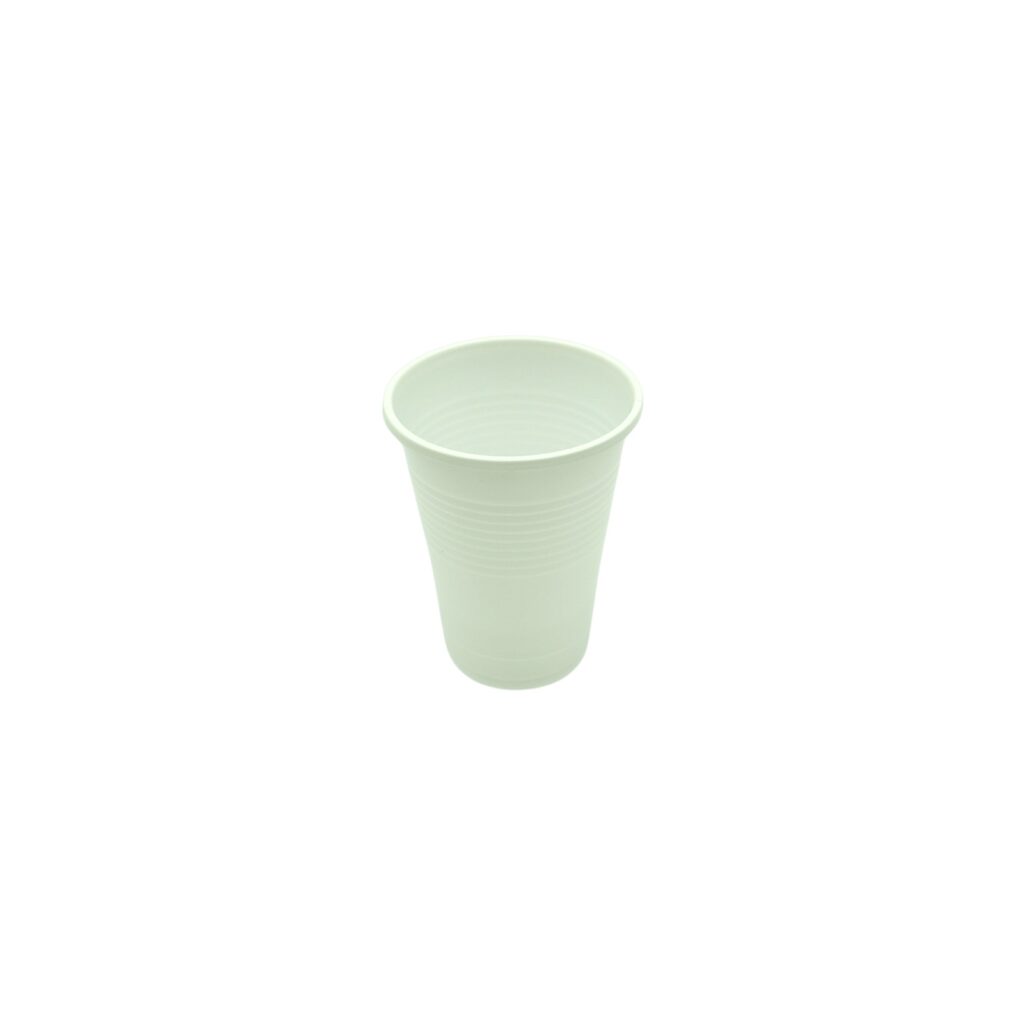
Disposable plastic cups deliver unmatched convenience and hygiene for cafés serving on-the-go beverages in fast-paced environments. They solve critical operational challenges while meeting customer expectations for portable, single-use drink containers across hot and cold beverage applications.
Why Cafés Choose Disposable Plastic Cups
Unbeatable Portability for Mobile Customers
These lightweight containers enable seamless takeaway experiences for commuters and event attendees needing spill-resistant drink solutions during transit. Their ergonomic designs with secure lids prevent leaks while fitting comfortably in cup holders and bags throughout daily routines.
Superior Hygiene in Shared Settings
Single-use plastic cups eliminate cross-contamination risks by providing sterile containers for every customer interaction in high-traffic zones. This critical safety feature reassures patrons in post-pandemic environments where sanitation transparency directly influences purchasing decisions at counters.
Operational Cost Savings Unveiled
Reducing Labour and Cleaning Burdens
Cafés eliminate dishwasher maintenance costs and staff hours dedicated to sanitising reusable mugs through strategic plastic cup adoption. This operational shift redirects valuable resources toward customer service improvements and menu innovation instead of constant dishwashing cycles.
Bulk Procurement Economic Advantages
Purchasing plastic cups in volume delivers significant per-unit savings compared to ceramic alternatives while reducing storage space requirements. Beverage businesses leverage these cost efficiencies to maintain competitive pricing without compromising on container quality or safety standards.
Material Science Behind Plastic Cups
PET Versatility for Cold Beverage Excellence
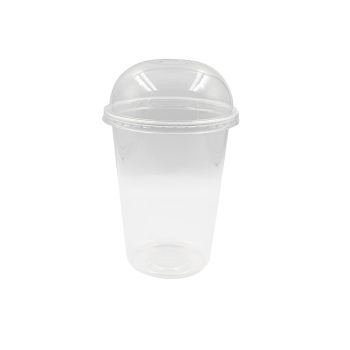
Polyethylene terephthalate cups maintain structural integrity with icy drinks while offering crystal clarity that showcases vibrant smoothie and juice colours attractively. Their shatterproof nature makes them ideal for outdoor service areas and children’s menus where safety concerns outweigh other material options.
PP Durability for Temperature Extremes
Polypropylene variants withstand boiling liquids up to 220°F without warping, making them suitable for specialty coffee and tea service requiring extended heat retention. These cups provide the necessary rigidity for double-walled insulation designs that protect customer hands during consumption.

Brand Enhancement Through Customisation
Strategic Visual Identity Opportunities
Custom-printed plastic cups transform every transaction into a mobile advertising platform that extends brand visibility far beyond physical locations. Eye-catching designs featuring seasonal promotions or community events create organic social media sharing when customers carry them through public spaces.
Texture and Finish Brand Differentiation
Premium matte coatings and embossed logos on plastic cups convey luxury perceptions that elevate perceived beverage value without increasing production costs significantly. Tactile elements like ribbed sleeves provide functional grip while reinforcing brand identity through distinctive sensory experiences during consumption.
Practical Implementation Strategies
Matching Cup Types to Beverage Profiles
Selecting double-walled PP cups for espresso-based drinks prevents condensation rings on customer surfaces while maintaining optimal drinking temperatures longer. Cold brew and iced tea service benefits from tapered PET designs that accommodate straw insertion without compromising structural stability during vigorous shaking.
Supplier Partnership Evaluation Criteria
Prioritise vendors demonstrating third-party certifications for food-grade materials and ethical manufacturing practices throughout their supply chain operations. Request sample kits to test cup performance with your specific beverages before committing to large orders to avoid compatibility issues post-purchase.
Future Industry Evolution Trends
Regulatory Compliance Preparedness
Anticipate tightening single-use plastic regulations by developing phased transition plans toward certified compostable alternatives without disrupting service flow. Proactive cafés now implement voluntary cup return programs offering small discounts to build customer loyalty while gathering materials for specialised recycling streams.
Consumer Preference Shifts Analysis
Modern patrons increasingly demand transparency about container environmental footprints, requiring clear communication about material origins and end-of-life options. Beverage businesses that educate customers through cup labelling and digital content build trust while differentiating themselves from competitors, ignoring sustainability concerns.
Conclusion
Benxon’s disposable plastic cups remain indispensable for cafés balancing operational efficiency, hygiene standards, and branding opportunities in competitive beverage markets. Their strategic implementation addresses core business challenges while adapting to evolving environmental expectations through innovative material solutions.
Contact Benxon today to transform your beverage service experience through informed, sustainable container choices that delight customers and streamline operations.