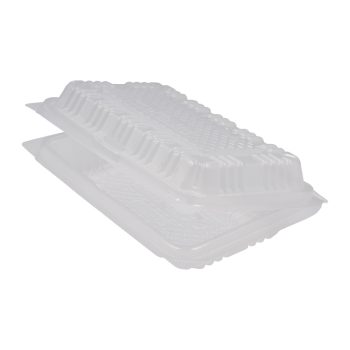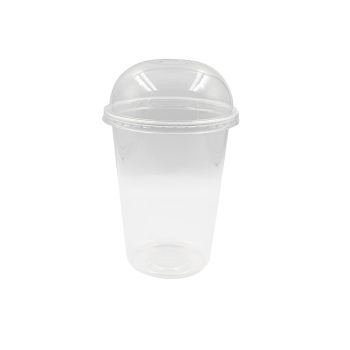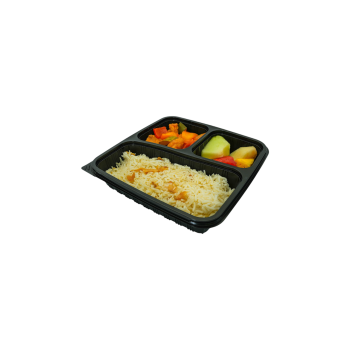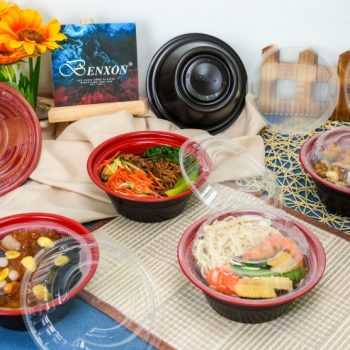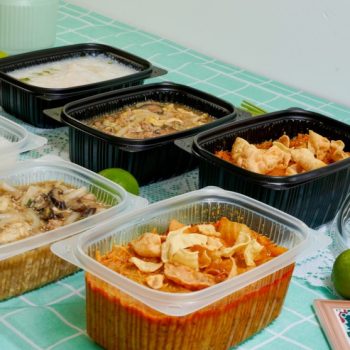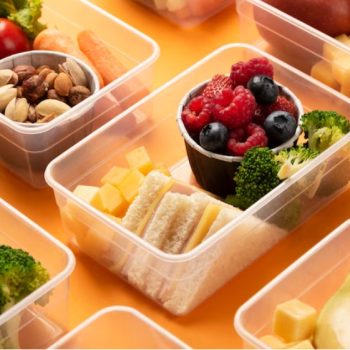

Packaging plays a vital role in preserving food quality, ensuring safety, and shaping how your brand is perceived. In today’s competitive market, the right plastic food packaging can directly influence product success and customer satisfaction.
Benxon is proud to be one of Malaysia’s most trusted manufacturers and suppliers of plastic food packaging, known for our commitment to quality, reliability, and innovation. This guide explores the key types of plastic food packaging, their benefits, and best uses-giving you the insights needed to choose the right solution for your product. Whether you’re launching something new or refining what you have, we’re here to help you make smart, strategic choices.
Why Choose Plastic Food Packaging? Key Benefits
Superior Food Safety & Hygiene
Plastic food packaging provides a strong barrier against contaminants, helping to preserve the freshness and quality of food. Its hygienic properties ensure that products remain safe throughout the supply chain, from production to consumption.
Cost-Effectiveness for Businesses
Plastic food packaging is not only lightweight and efficient to transport but also cost-effective to produce at scale. This makes it an economical option for businesses looking to optimise operations without compromising on quality.
Durability & Leak Resistance
Robust and resilient, plastic packaging is designed to withstand pressure, temperature changes, and handling during distribution. Its leak-resistant properties also prevent spills and spoilage, ensuring customer satisfaction.
Food Protection and Extended Shelf Life
By providing airtight seals and moisture barriers, plastic food packaging helps to protect food from external elements. This extends shelf life, reduces food waste, and maintains product integrity for longer periods. Explore Benxon’s wide range of plastic food packaging solutions tailored to your needs. Request free plastic food container samples today and experience our quality first-hand.
Understanding Plastic Types for Food Packaging: Materials, Uses & Benefits
PET (Polyethylene Terephthalate)
PET is a popular choice for plastic food packaging due to its clarity, strength, and excellent barrier properties. It provides an effective shield against moisture and gases, helping to maintain product freshness. PET is also lightweight, shatter-resistant, and cold-resistant, making it ideal for transport, display, refrigeration, and freezing.
Best used for: Cold beverages, salad bowls, bakery containers, and sandwich packs.
Pros:
- Crystal-clear transparency
- Lightweight and durable
- Excellent barrier properties
- Widely recyclable (Code 1)
Cons:
- Not suitable for hot filling or high-heat use
- Difficult to reuse as it can retain flavours and odours
PP (Polypropylene)
Known for its durability, heat resistance, and cold resistance, PP is a versatile material commonly used for containers that need to be microwaved or frozen. It is chemically resistant and maintains its form under heat and low temperatures, making it a reliable option for ready meals, takeaway packaging, refrigeration, and freezing.
Best used for: Hot food containers, microwaveable trays, takeaway boxes, refrigerated and frozen foods.
Pros:
- Microwave- and dishwasher-safe
- Strong and lightweight
- Good resistance to chemicals
- Cold-resistant for refrigeration and freezing
- Recyclable (Code 5)
Cons:
- Less transparent than PET
- Moderate barrier properties
OPS (Oriented Polystyrene)
OPS offers excellent transparency and gloss, making it the go-to option for food presentation. It’s great for showcasing products like desserts, sushi, and baked goods. While not microwave-safe and not suited for freezing, it holds its shape well under normal refrigerated conditions.
Best used for: Bakery trays, sushi containers, and clear clamshells.
Pros:
- Brilliant clarity and shine
- Lightweight and economical
- Good for visual appeal
- Recyclable (Code 6)
Cons:
- Brittle and prone to cracking
- Not heat-resistant
- Not suitable for freezing
HIPS (High Impact Polystyrene)
HIPS is a rigid plastic with added durability, making it ideal for packaging that needs to be both functional and cost-effective. Though opaque, it’s strong enough to handle various food service needs and is easy to thermoform into trays and containers. It tolerates refrigeration but is generally not recommended for freezing due to brittleness at low temperatures.
Best used for: Food service trays, clamshell packaging, snack boxes.
Pros:
- Strong and impact-resistant Cost-effective and easy-to-shape
- Recyclable (Code 6)
Cons:
- Low heat tolerance
- Less flexible compared to other materials
- Limited cold resistance (not suitable for freezing)
PPPE (Polypropylene-Polyethylene Blend)
This blend combines the best features of PP and PE, offering a balance between flexibility, strength, sealability, and cold resistance. It’s a versatile option for customised trays and containers, particularly where some heat resistance and excellent cold resistance are needed alongside durability.
Best used for: Flexible food trays, sealed containers, custom packaging designs, refrigerated and frozen foods.
Pros:
- Strong and flexible
- Heat-sealable
- Moisture-resistant
- Cold-resistant for refrigeration and freezing
- Potentially recyclable (Code 7)
Cons:
- Varies in recyclability depending on composition
- Moderate clarity
Comparison of Materials
| Material | Clarity | Heat Resistance | Strength | Recycling Code | Best For |
| PET | High | Low | Medium | 1 | Cold foods, bakery |
| PP | Medium | High | High | 5 | Microwaveable meals |
| HIPS | Low | Low | High | 6 | Trays, clamshells |
| OPS | High | Low | Medium | 6 | Display packaging |
| PPPE | Medium | Medium | High | 7 | Custom containers |
| PS | Medium | Low | Medium | 6 | Disposable packaging |
| PVC | High | Medium | High | 3 | Cold food trays |
Check out Benxon’s range of plastic food packaging here.
Key Factors to Choose the Right Packaging
1. Food Temperature Requirements
Choose the right material based on your food’s temperature requirements:
| Material | Cold Storage | Room Temp | Hot Fill | Microwave Safe | Max Temp (°C) |
| PET | ✓✓✓ | ✓✓✓ | ✗ | ✗ | 70°C |
| PP | ✓✓✓ | ✓✓✓ | ✓✓✓ | ✓✓✓ | 100-110°C |
| OPS | ✓✓ | ✓✓✓ | ✗ | ✗ | 80°C |
| HIPS | ✓✓ | ✓✓✓ | ✗ | ✗ | 85°C |
| PPPE | ✓✓✓ | ✓✓✓ | ✓✓ | ✓✓ | 100°C |
How to choose?:
- Hot foods & reheating: Use PP or PPPE for safety and durability
- Cold display items: Choose PET or OPS for maximum visual appeal
- Temperature flexibility: PP and PPPE handle both hot and cold applications
If your product goes from cold storage to microwave, ensure your containers are labelled microwave-safe to avoid warping or chemical leaching.
2. Food Type and Compatibility
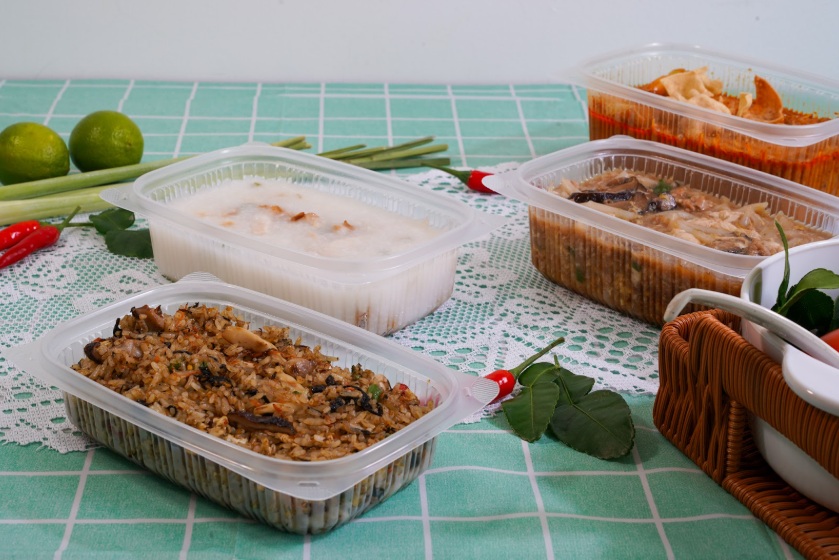
The composition of your food-whether oily, acidic, or high in moisture, can greatly impact how packaging performs. Materials like PP and HIPS offer excellent chemical resistance, making them ideal for rich dishes like curries, fermented foods, or oily snacks.
Choosing the wrong material may lead to leaching, flavour absorption, or container breakdown over time. Testing your packaging with the actual food product ensures long-term durability and safety.
| Food Type | Examples | Best Material | Why It Works | Benxon Products |
| Hot Foods | Soups, curries, rice | PP | Heat-resistant, microwave-safe | https://benxonpack.com/product-category/multi-purpose/rt-series/ |
| Cold Foods | Salads, sushi, desserts | PET, OPS | Crystal clear, keeps fresh | https://benxonpack.com/product-category/multi-purpose/sak-series/ |
| Oily Foods | Fried chicken, nuts | PP, HIPS | Won’t absorb oil or flavours | https://benxonpack.com/product-category/multi-purpose/rt-series/ |
| Acidic Foods | Tomato dishes, citrus | PP | Chemical resistant | https://benxonpack.com/product-category/multi-purpose/rt-series/ |
| Bakery Items | Cakes, pastries | OPS, PET | Clear display, protective | https://benxonpack.com/product-category/bakery/ |
| Wet/Fresh Foods | Cut fruits, sandwiches | PET with vents | Controls moisture | https://benxonpack.com/product-category/multi-purpose/sak-series/ |
3. Closure and Seal Options
How your packaging opens and closes influences both usability and freshness. Think about how your customer interacts with your product-are they eating on the go, reheating at home, or ordering for delivery? Common closure options include:
- Hinged or clamshell lids for grab-and-go convenience. No more missing lids to worry about!
- Tamper-proof seals to enhance food safety
- Leak-proof closures to preserve freshness, especially for perishable or liquid items
- Snap-on lids for single-handed use
Match the seal type to the food’s shelf life and the consumer’s context for maximum satisfaction.
| Closure Type | Application | Performance |
| Hinged/Clamshell | Quick service, takeaway | Security: ●●○ / Convenience: ●●● |
| Tamper-Evident | Delivery, retail display | Security: ●●● / Convenience: ●●○ |
| Airtight Snap-On | Soups, sauces, salads | Security: ●●● / Convenience: ●●○ |
| Standard Lids | Bulk storage, general use | Security: ●○○ / Convenience: ●●● |
4. Product Visibility and Branding Potential
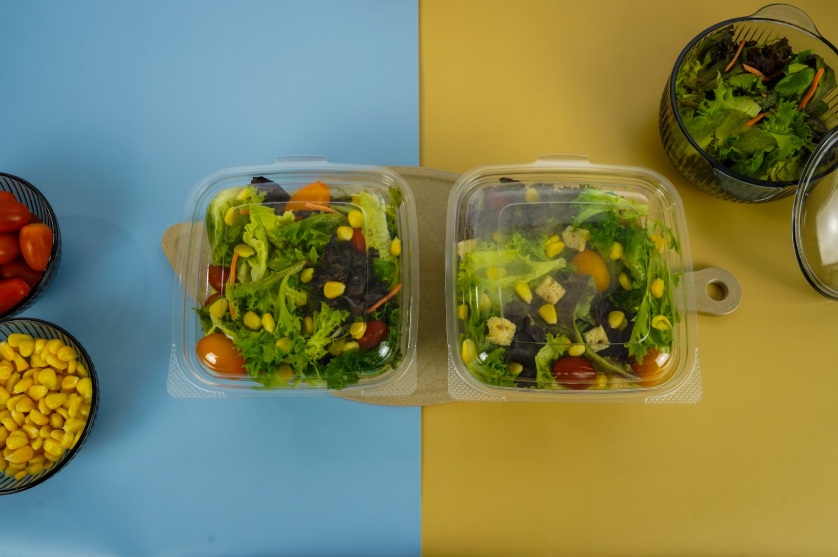
Packaging also plays a key role in showcasing your product. Transparent materials such as PET, OPS, allow for full visibility, which can encourage purchase by displaying the freshness, colour, or layers of your food.
For branding, consider options like colour-tinted plastics, printed logos, or embossed lids. These visual details can strengthen brand recall and differentiate your product on the shelf. Choose high-clarity materials for items where visual appeal is a selling point, such as parfaits, cakes, or bento boxes.
5. Special Functional Features
Today’s food packaging can do far more than just hold food. Functional enhancements can extend shelf life, improve convenience, and enhance the dining experience. Some useful features to look out for include:
- Anti-Fog Coating Perfect for cold displays – keeps your products visible
- Microwave Safe Ready-to-heat convenience for busy customers
- Gas Barrier Extends shelf life naturally without preservatives
- Moisture Retention Keeps food fresh longer and reduces waste
- Recyclable Eco-friendly disposal supports sustainability goals
- Leak-Proof Secure transport guaranteed for customer satisfaction
Though these features may add to the initial cost, they can help reduce product waste and improve customer satisfaction in the long run.
6. Container Shapes and Fit
The shape of your container should suit the food it’s holding, optimise shelf space, and enhance presentation. A round soup container won’t work for sushi, and a deep square tub may not be suitable for sandwiches.
Common shapes include: Round Containers
- Best for: Soups, noodles, porridge
- Benefits: Even heat distribution, easy stirring
Rectangular Containers
- Best for: Main meals, salads, rice boxes
- Benefits: Space-efficient stacking, portion control
Long/Slim Containers
- Best for: Sushi rolls, wraps, sandwiches
- Benefits: Perfect fit, minimal movement
Compartmentalized Trays
- Best for: Bento boxes, meal combos, diet portions
- Benefits: Food separation, portion control
7. Sustainability and Environmental Goals
Consumers today are increasingly aware of environmental impact, making sustainable packaging an important business consideration. While many plastic options are recyclable, Benxon takes sustainability further by offering packaging made from 100% post-consumer waste.
Our specially processed materials meet all food safety regulations, helping to prevent plastic waste leakage to the environment and giving your customers the eco-conscious packaging they’re looking for. Materials like PET, PP, OPS, and HIPS are commonly recyclable. Communicate your packaging’s recyclability clearly on the label-it shows your customers you care and encourages responsible disposal.
8. Regulatory Compliance
Lastly, packaging must comply with local food safety regulations. In Malaysia, this includes guidelines set by the Ministry of Health, which cover material safety, hygiene, and chemical migration standards. Benxon complies with stringent regulatory requirements and holds certifications for food-safe plastic manufacturing. This ensures you’re getting packaging that meets both local and international food safety standards.
Always request documentation from your supplier, such as product specifications, safety certifications, and testing reports. Learn more about Benxon’s compliance and certifications here If you’re still unsure which packaging solution fits your needs, contact Benxon’s today to speak with a packaging specialist, request free samples or head over here to check out more information about our products.
Common Packaging Mistakes to Avoid

1. Underestimating Temperature Requirements
Food packaging must be suited to the temperatures it will encounter during storage, transport, or consumption. A common mistake is overlooking whether the material can handle heat or cold without compromising safety or structure.
For instance, using PET for hot meals can cause warping or melting, while PS (Polystyrene) may crack or release harmful substances at high temperatures. To avoid these issues, always choose materials based on your product’s temperature needs-PP or PPPE are ideal for hot, microwaveable items, while PET or OPS are better suited for cold foods thanks to their clarity and rigidity.
2. Prioritising Cost Over Performance
While keeping costs low is important, choosing the cheapest plastic packaging can lead to bigger issues-like weak durability, poor protection, or a negative customer experience. A flimsy container might crack in transit or fail to preserve freshness; for example, using HIPS with high-moisture foods can speed up spoilage. Investing a little more in quality materials can reduce waste, returns, and long-term costs-protecting both your product and your brand
3. Overlooking Seal and Closure Quality
Seals and closures play a key role in keeping food safe, fresh, and intact. Poor-quality seals can cause leaks, contamination, and spoilage-damaging both product and brand reputation. A weak seal might break during transit, while a faulty clamshell may not close properly, exposing food to air and reducing shelf life. Always test closures for reliability, especially for items needing airtight packaging. Choosing secure options like snap-on lids or tamper-proof seals helps protect your product and build customer trust.
4. Selecting Improper Barrier Properties
Different foods require different levels of protection from air, moisture, and light. Using packaging with the wrong barrier properties can lead to spoilage, contamination, or a shorter shelf life. For example, PS may not provide enough moisture or oxygen protection for snacks or refrigerated foods, leading to quicker spoilage.
To keep your products fresh, match the material to the need-PP for oxygen-sensitive items like meats and cheeses, and PET or PPPE for moisture-sensitive products that require strong form and barrier control.
5. Using Non-Food-Grade Plastics
Using non-food-grade plastics is a critical mistake that can pose serious health risks. These materials may contain harmful chemicals, dyes, or solvents that can leach into food-especially when exposed to heat or acidic ingredients.
General-purpose plastics not certified as food-safe can lead to contamination and product recalls. Always request a Material Safety Data Sheet (MSDS) from your supplier and ensure the materials are clearly labelled as food-grade. For peace of mind, work with suppliers who meet local food safety regulations and certifications.
When to Consider Custom Solutions
| Factor | Standard Packaging | Custom Solutions |
| Minimum Order | As low as 100 units | 10,000+ units |
| Lead Time | 1-2 weeks | 4-6 weeks |
| Branding | Limited/none | Full customisation |
| Cost per Unit | Higher at volume | Lower at volume |
| Product Fit | Generic sizes | Perfect fit |
| Market Impact | Blend in | Stand out |
1. Volume Thresholds for Custom Development
While custom food packaging might seem like an unnecessary expense for smaller businesses, it becomes more cost-effective as order volumes increase. Generally, if your business anticipates ordering above 10,000 units, custom packaging can provide better value in the long run.
The economies of scale mean that the price per unit decreases as the quantity increases, making it a wise investment for larger orders. If your sales forecasts predict higher demand, or you’re planning a product launch with a larger initial order, this is the perfect time to consider custom solutions. Larger orders help spread the development cost over a greater number of units, resulting in better cost efficiency.
2. Unique Product Needs That Standard Options Don’t Address
Sometimes, your product has specific packaging needs that standard solutions just can’t meet-whether it’s an unusual shape, added functionality, or specific material properties. For example, if you’re packaging a multi-compartment item like a bento box or layered dessert, off-the-shelf containers may lack the structure or features required.
Custom packaging can solve these challenges by offering tailored solutions such as enhanced barrier protection, moisture control, or microwave-safe materials. If your product demands more than what’s available on the market, it’s worth working with a plastic packaging supplier that can create packaging designed precisely for your needs.
3. Brand Differentiation Opportunities
Packaging is often the first touchpoint between your brand and the customer-and it can heavily influence their buying decision. Custom packaging gives you the chance to stand out, build a stronger brand identity, and create a memorable unboxing experience.
For example, unique shapes, bold colours, and embossed logos can instantly elevate how your product is perceived on the shelf. In a competitive food market, this kind of visual differentiation can make all the difference. Consider how your plastic food packaging can express your brand’s personality and values-custom solutions give you the creative freedom to connect with your audience in a truly impactful way.
Conclusion
Plastic food packaging is crucial to product success, influencing everything from safety and freshness to brand identity. Partnering with Benxon’s, a trusted Malaysian manufacturer, ensures you receive high-quality, locally tailored plastic food packaging solutions that meet both functional and regulatory requirements.
We offer a wide range of food-safe materials, including PET, PP, HIPS, and OPS, and specialise in custom designs for unique product needs. With our expertise in the local market and commitment to cost-effective, eco-friendly options, Benxon’s is your reliable partner for superior packaging. Contact Benxon’s today to explore our solutions and expert advice.